Failing to file required Texas tax returns creates escalating problems over time. What starts as a missed deadline becomes a growing liability with penalties, interest, and eventually aggressive collection activity. Understanding the risks motivates action before the situation gets worse.
Penalties accrue immediately on unfiled returns. Texas imposes penalties for failure to file and failure to pay, and these penalties add up quickly. The longer you wait, the larger the penalty balance grows. Interest compounds the problem, running on both the unpaid tax and the unpaid penalties.
The Comptroller may file returns on your behalf. If you don’t file, the Comptroller can estimate your liability and assess tax based on that estimate. These “proposed assessments” or “jeopardy determinations” are often higher than your actual liability because the Comptroller doesn’t have your records and will err on the side of overstatement. Once assessed, you bear the burden of proving the correct amount.
Collection activity begins once assessments are final. The Comptroller can file liens, levy bank accounts, and seize assets to collect assessed amounts. These collection tools apply regardless of whether the underlying assessment is accurate. Disputing an inflated assessment while simultaneously fighting collection is much harder than filing correct returns in the first place.
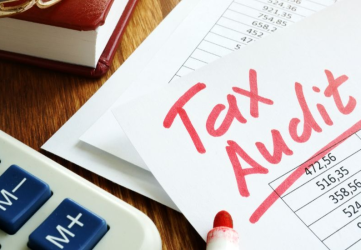
Unfiled returns may trigger audits. The Comptroller may decide to audit you for periods where you haven’t filed, using whatever information is available. These audits often produce worse outcomes than voluntary filing because you’ve lost the ability to control the narrative.
Voluntary disclosure becomes unavailable once the Comptroller contacts you. If you come forward before the state reaches out, you may qualify for penalty waivers and limited lookback periods. After the Comptroller initiates contact, these benefits disappear.
Criminal exposure exists in extreme cases. While prosecution for failure to file is rare, it’s not impossible. Filing voluntarily eliminates this risk entirely.
The solution is to file. Even if you can’t pay the full amount owed, filing the returns stops the penalty clock, establishes your actual liability, and opens the door to payment arrangements.
If you have unfiled Texas returns, contact us to discuss the best path forward.